New experimental obesity drugs targeting energy production process of cell
S&T – HEALTH
26 DECEMBER 2025
- Researchers have developed experimental drugs targeting mitochondria — the energy powerhouse of a cell — to work harder and burn more calories, which may make way for new treatments for obesity.
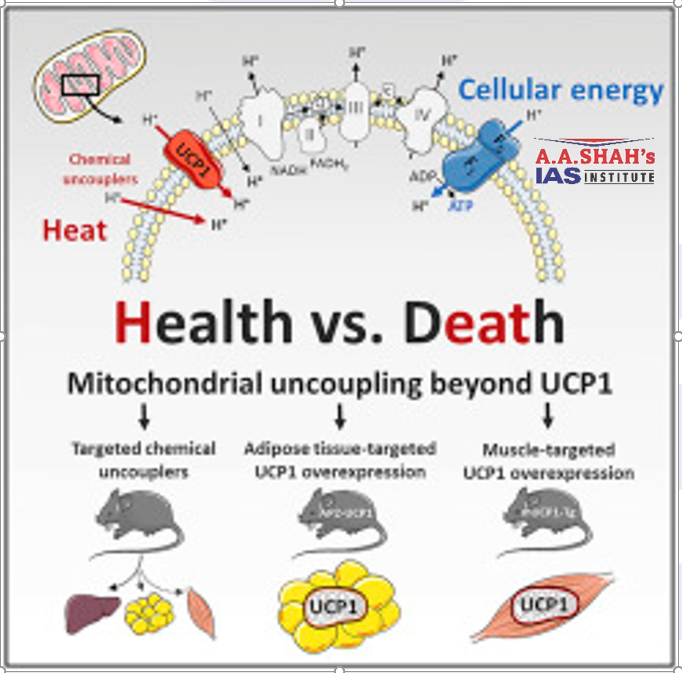
- The team, led by researchers from the University of Technology Sydney in Australia, focused on “mitochondrial uncouplers” — molecules that make cells burn energy less efficiently and release fuel as heat instead of converting it into energy the body can use.
- “Mitochondria are often called the powerhouses of the cell. They turn the food you eat into chemical energy, called ATP or adenosine triphosphate. Mitochondrial uncouplers disrupt this process, triggering cells to consume more fats to meet their energy needs,” lead researcher said.
- Compounds inducing mitochondrial uncoupling were first discovered about a century ago, but the drugs were lethal poisons that induced overheating and death, the researchers explained.
- The mild mitochondrial uncouplers also reduce oxidative stress in the cell, which is another advantage of the molecules — this could improve metabolic health, provide anti-aging effects and protect against neurodegenerative diseases such as dementia, the team said.
- While the work is still at an early stage, the research offers a framework for designing a new generation of drugs that could induce mild mitochondrial uncoupling and harness the benefits without the dangers, the researchers said.