India’s first green methanol plant to turn Kutch’s most invasive weed into marine fuel
ENVIRONMENT – BIODIVERSITY
1 MAY 2026
- A plant that has been ranked as one of the “top 100 invasive species in the world” and has for decades threatened biodiversity in Kutch’s Banni grasslands, may soon be harnessed for the production of green methanol and fuel for ocean-going ships.
- The project, sited at the Deendayal Port Authority (DPA) in Kandla, will produce five tonnes of methanol a day and is being built by Pune-based Thermax Energy with gasification technology from Vadodara’s Ankur Scientific, and will be owned by the port authority.
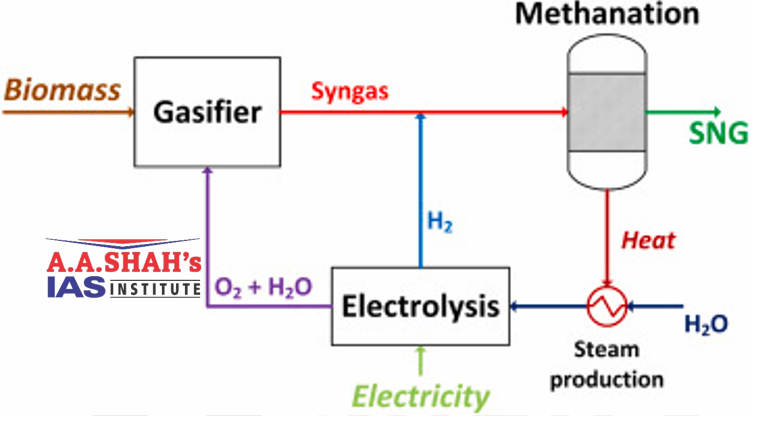
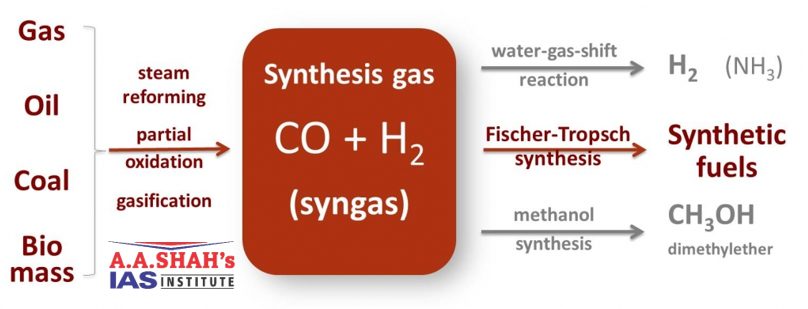
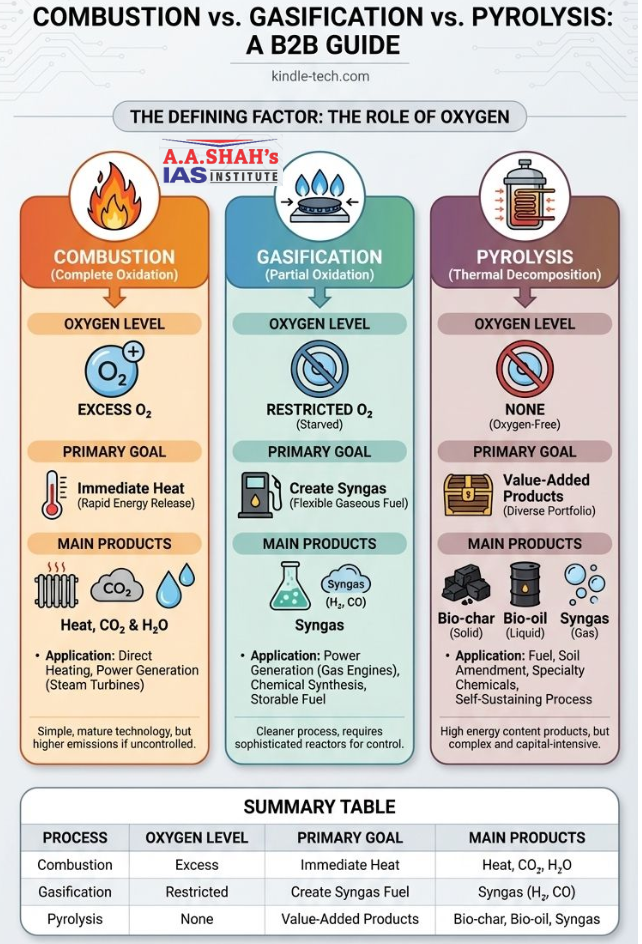
- Gasification technology, that lies between combustion and pyrolysis, will produce syngas (H2, CO and CO₂)
- Syngas will then be converted into methanol.
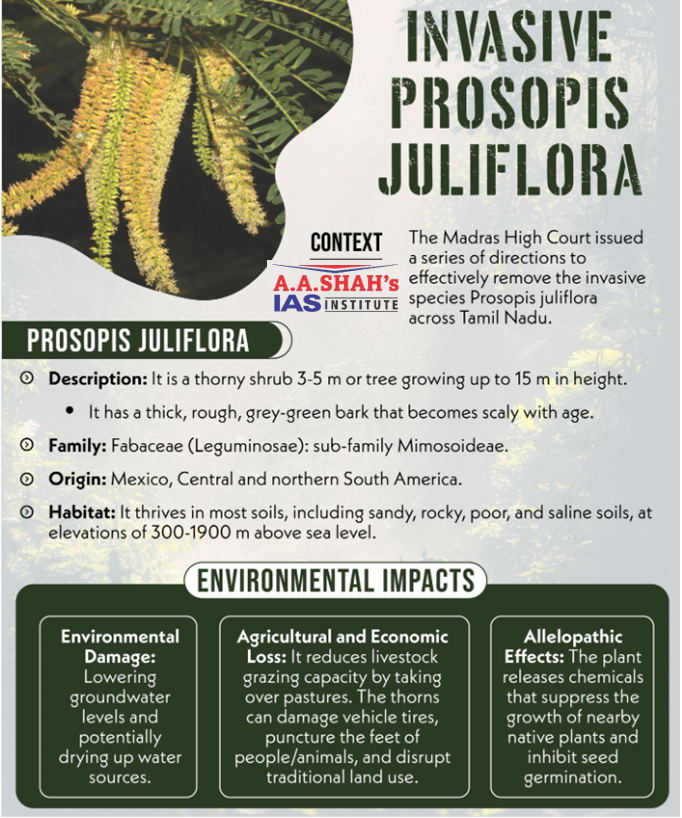
Prosopis juliflora
- The Mexican-origin shrub called Prosopis juliflora, known as Gando Baval in the region, Vilayati Keekar in North India and Seemai Karuvelam in Tamil, has crowded out native grasses over thousands of kilometres in Kutch.
- The plant was first introduced by the British in the 1920s to ‘green’ Delhi and by the Gujarat Forest Department in 1961 to halt the encroaching salt desert in the Rann.
- This weed is to become the feedstock for India’s first green methanol production plant.
- Juliflora is one of the best feedstocks because it is hardwood, dense, has a good energy profile, and low in acids.
Green Methanol
- Methanol is used as a fuel in shipping often as a replacement to what is called ‘bunker oil’.
- Conventional methanol is produced from fossil fuels such as gas or coal gasification.
- Green methanol uses biomass from agricultural residue as source material as in the case with the juliflora.
- Government of India’s policy to convert ports along the western coast into “green ports” will create demand for a fuel that the global shipping industry is being obliged to adopt under International Maritime Organization (IMO) rules.
- Methanol made from renewable feedstocks can cut a vessel’s CO₂ emissions by up to 95% and NOx (nitrogen oxides) by up to 80%, while eliminating sulphur oxides and particulate matter.