Functional Foods in India
S&T – HEALTH
10 NOVEMBER 2025
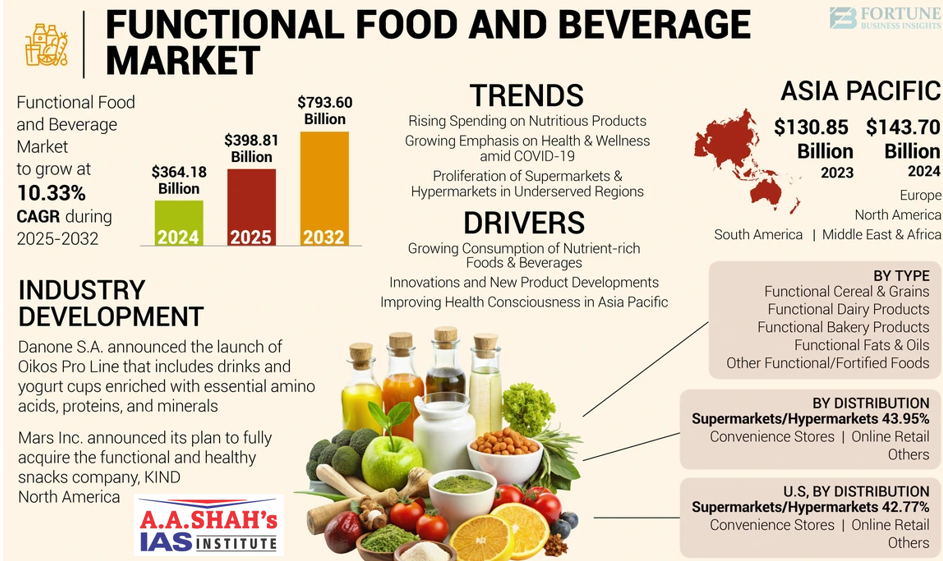
- Functional Foods are enriched foods that provide additional health benefits beyond basic nutrition — e.g. vitamin-enriched rice, omega-3 milk.
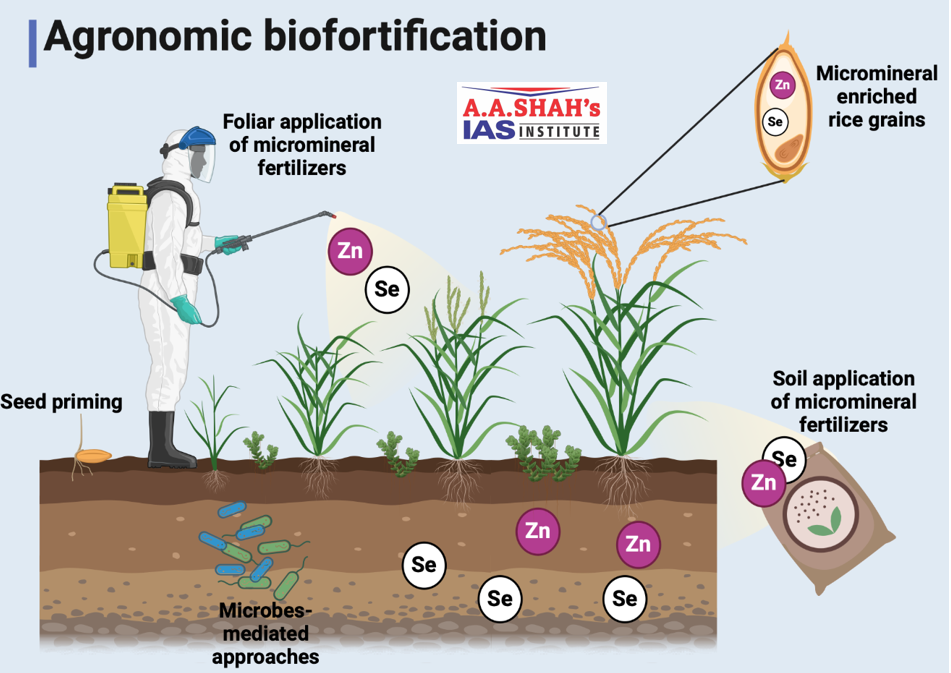
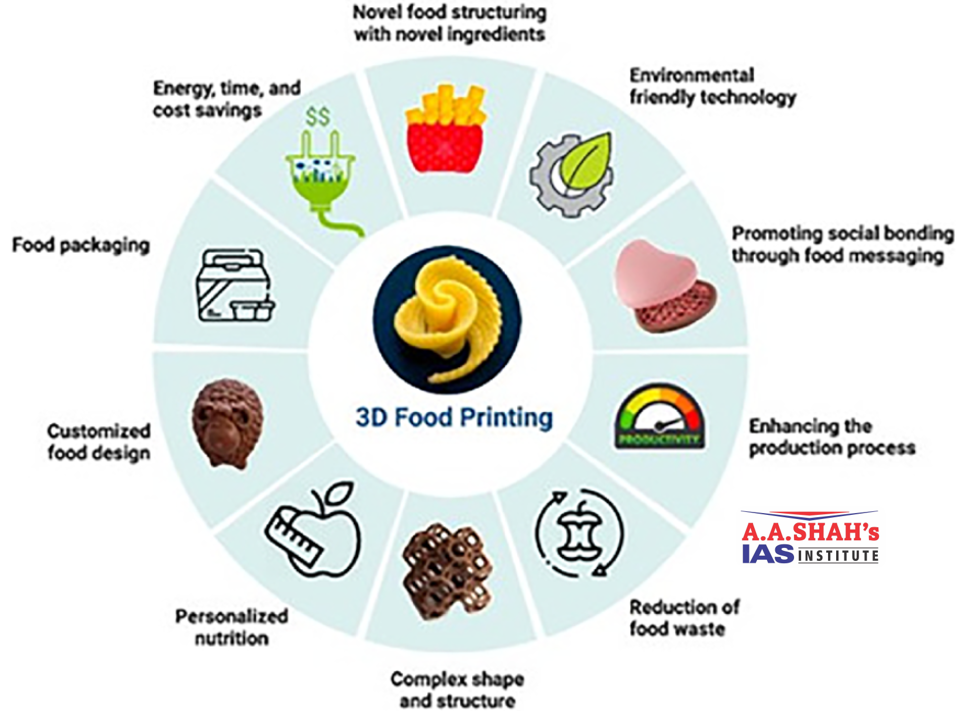
- It uses technologies like nutrigenomics, bio-fortification, 3D food printing, and bioprocessing.
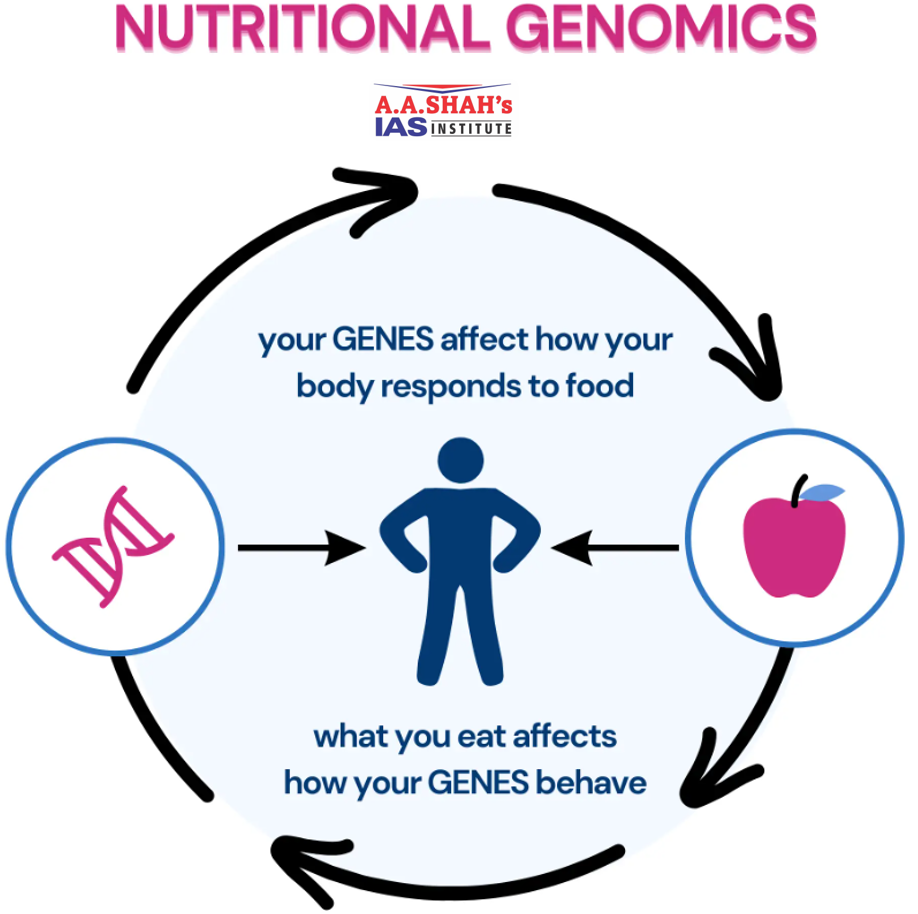
- Nutrigenomics is the study of how food and nutrients interact with your genes, examining both how food affects your genes and how your genes affect your body’s response to food.
- Smart Proteins: Biotech-derived alternatives to animal proteins, including
- Plant-based proteins (from legumes, cereals),
- Fermentation-derived proteins, and
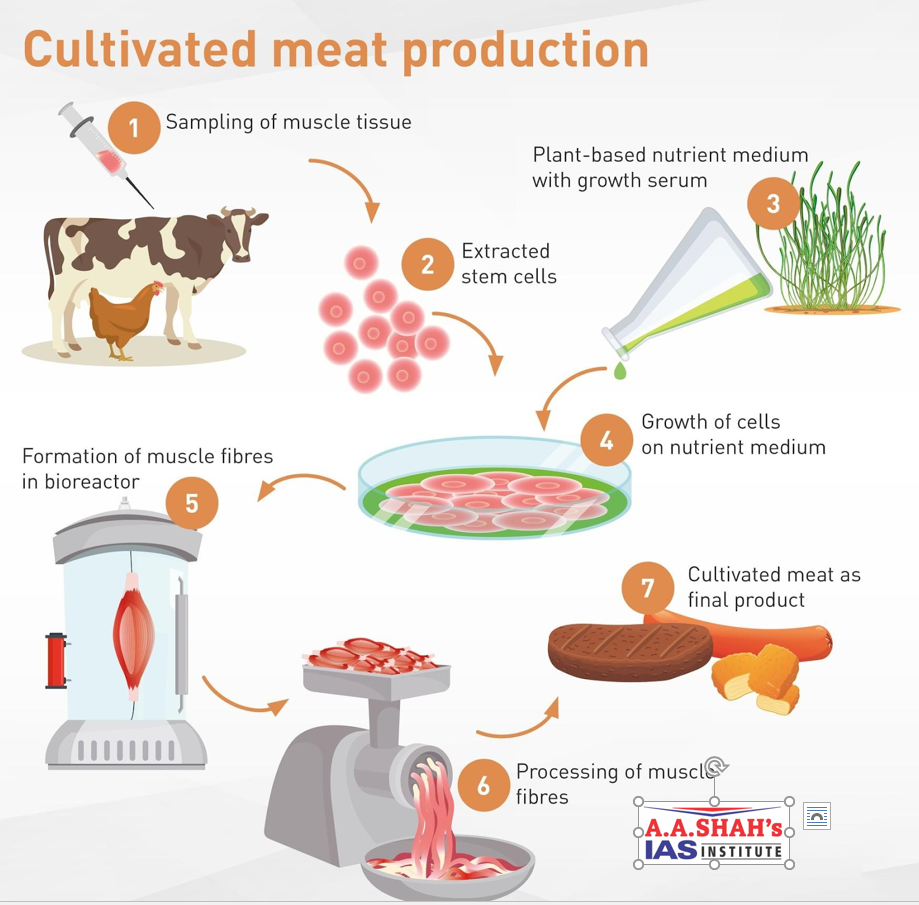
- Cultivated meat (grown from animal cells in labs).
Why India Needs Them
- Persistent malnutrition: Over one-third of children stunted; rural-urban nutrition gap.
- Need to shift from food security → nutritional security, focusing on quality (proteins, vitamins, antioxidants).
- Must ensure this without worsening environmental degradation.
India’s Current Progress
- Recognised under BioE3 (Biotechnology for Economy, Environment, and Employment) policy.
- Functional food examples:
- Zinc-enriched rice (IIRR Hyderabad),
- Iron-rich pearl millet (ICRISAT).
- Industry players: Tata, ITC, Marico.
- Smart protein startups: GoodDot, Blue Tribe Foods, Evo Foods
- Gap: Lack of FSSAI regulatory clarity on novel foods (cultivated meat, precision-fermented proteins).
Global Experience
- Japan: Pioneered functional food regulation in 1980s.
- Singapore: First to approve cultivated chicken (2020).
- China: Prioritises alternative proteins in food-security strategy.
- EU: Promotes sustainable proteins via Farm to Fork policy.
Challenges
- Regulatory vacuum → risk of mislabelled or unsafe products.
- Public perception → hesitation toward “lab-made” food.
- Workforce skills gap → shift to biomanufacturing needs upskilling.
- Corporate concentration → risk of market domination by large players.