SC to look into feasibility of NAT for blood transfusion
SOCIAL – HEALTH
3 MARCH 2026
- The Supreme Court has decided to look into whether blood banks should compulsorily conduct Nucleic Acid Test (NAT) for identification of diseases.
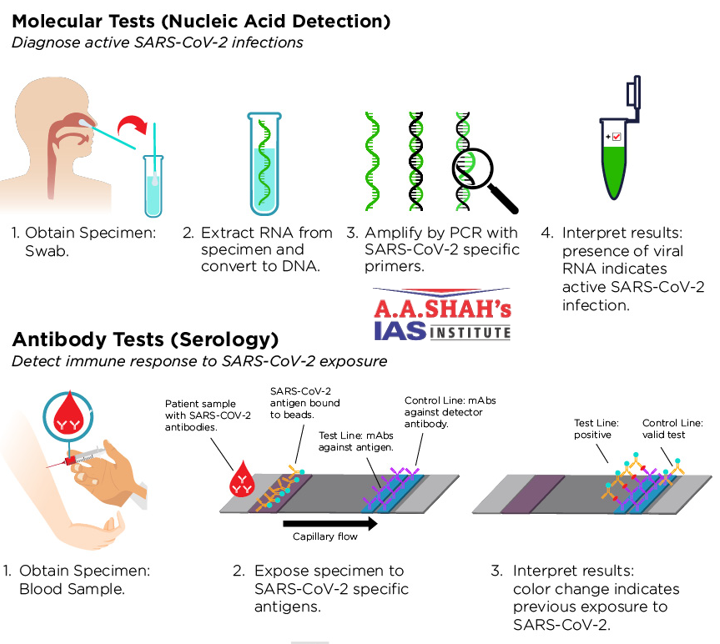
- NAT is a highly sensitive molecular technique that detects the genetic material for viruses such as HIV, Hepatitis B and Hepatitis C in the blood.
- A Bench of Chief Justice of India Surya Kant and Justices Joymalya Bagchi and Vipul M. Pancholi asked advocate A. Velan, counsel for petitioner-NGO Sarvesham Mangalam Foundation, about the cost-effectiveness of NAT test compared with the more commonly used Enzyme-Linked Immunosorbent Assay (ELISA) test.
- The Chief Justice questioned if all the States could afford NAT in government blood banks and hospitals.
- The petitioner argued that the right to safe blood transfusion was a fundamental part of the right to life under Article 21 of the Constitution.
- In addition, the plea drew the court’s attention to NAT as a mechanism to ensure the supply of safe and infection-free blood to recipients.
- The petitioner highlighted the case of Thalassemia patients who require frequent blood transfusion and were vulnerable to transfusion of infected blood. The petition described such medical mishaps as “preventable tragedies”.
- Thalassemia is an inherited blood disorder which is caused by the body’s inability to produce enough haemoglobin, the protein in red blood cells that transports oxygen from the lungs to the tissues and carbon dioxide to the lungs.
- As India is the Thalassemia capital of the world, there is a need to strengthen blood safety practices across the country…particularly the need for a standardised test to screen blood donations,” the petition noted.
- The case takes significance in the background of the reported case of at least six children found to be HIV positive in Madhya Pradesh’s Satna allegedly due to contaminated blood transfusions at the district hospital during treatment for Thalassaemia in December 2025.
- In October 2025, the family of a seven-year-old Thalassemia patient had alleged that the local blood bank in Chaibasa, in West Singhbhum, Jharkhand, had transfused HIV-infected blood. During an inquiry, by a medical team, a few days later, four more children were found to be HIV-positive from botched blood transfusion.