Cancer immunotherapy may reshape brain’s barrier to metastasis
S&T – HEALTH
13 MAY 2026
- Drugs that enhance the body’s immune response against cancer may also be altering one of its most tightly guarded boundaries: the blood-brain barrier (BBB).
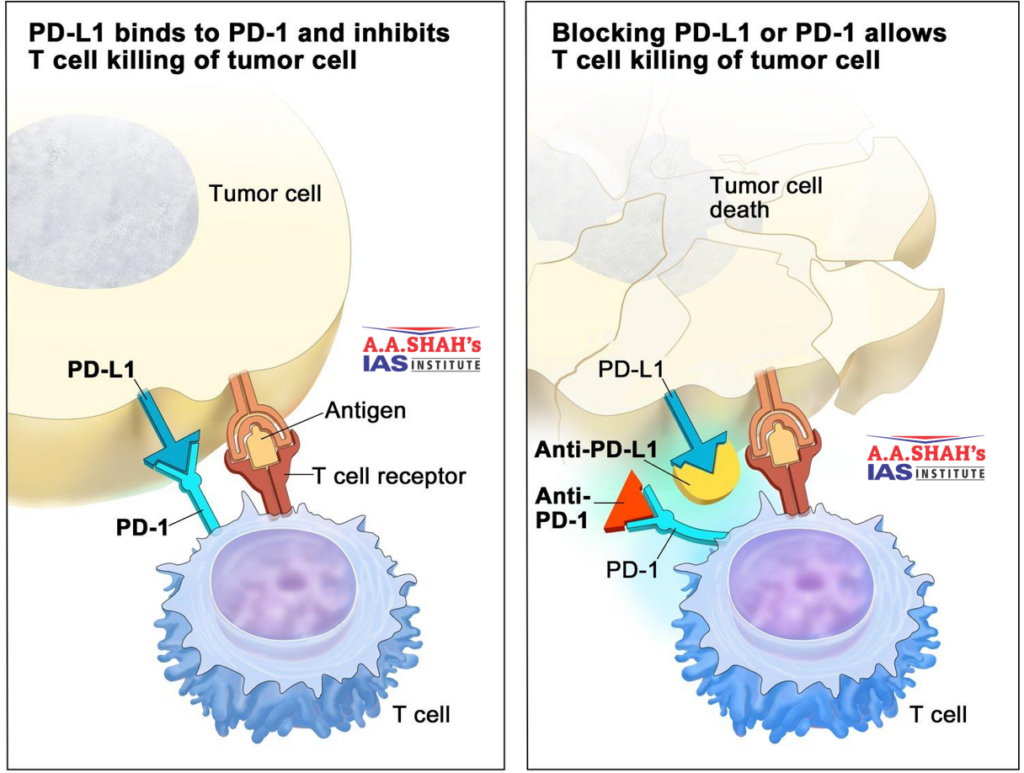
- A recent study published by Yuval Shaked at the Technion-Israel Institute of Technology and his team, in Cancer Discovery, finds that PD-1 inhibitors, a widely used class of cancer immunotherapy, can prompt immune cells to produce a protein that makes the barrier more permeable.
- This could potentially change how cancer and its treatments affect the brain.
- Many conventional anti-cancer drugs cannot cross the BBB, which is a tightly packed lining of cells that controls what passes from the bloodstream into brain tissue, limiting their effectiveness against brain tumours.
- So the brain was long thought to be largely insulated from the immune system, but growing evidence shows it can mount meaningful immune responses.
- In this context, immunotherapy works by activating circulating immune cells that can cross the BBB and target tumour cells within the brain.
- A type of immunotherapy called immune checkpoint inhibitors (ICIs) block signals that prevent immune cells from attacking tumours, allowing the body’s natural defences to respond more strongly.
- While ICIs have been shown to reduce tumour burden within the brain, responses among patients with brain metastases vary and the reasons remain unclear.