Rare earth mining poisoning Mekong tributaries
ENVIRONMENT – POLLUTION
30 APRIL 2026
- Contamination of the Mekong River and its tributaries by toxic runoff from rare earth mines upstream is threatening millions who rely on those waters for farms and fisheries.
- About 70 million people in mainland Southeast Asia who depend on the nearly 5,000-kilometre (3,100-mile) Mekong River.
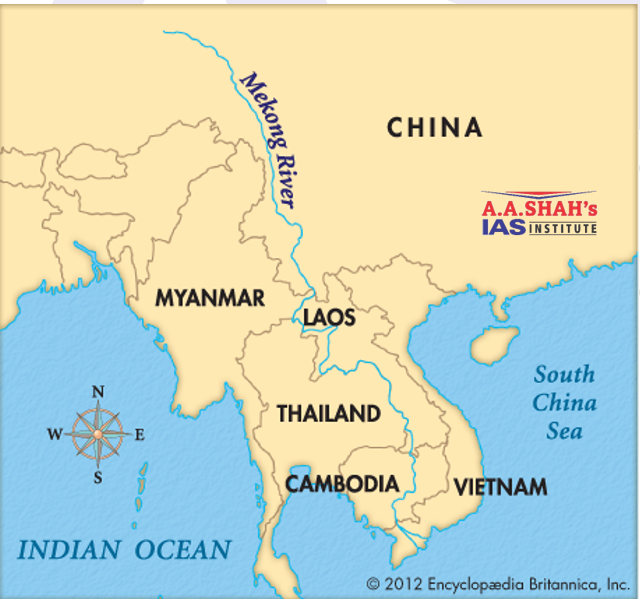
- The Mekong River originates in China’s Tibetan Plateau (as the Lancang Jiang) and flows through five other nations—Myanmar, Laos, Thailand, Cambodia, and Vietnam—before emptying into the South China Sea.
- Millions rely on fish from the Mekong Basin for protein.
- Thailand is one of the world’s top rice exporters along with India and Vietnam.
- The Mekong has long faced mounting pressures, from plastic pollution to hydropower dams hemming it upstream and sand mining devouring its banks.
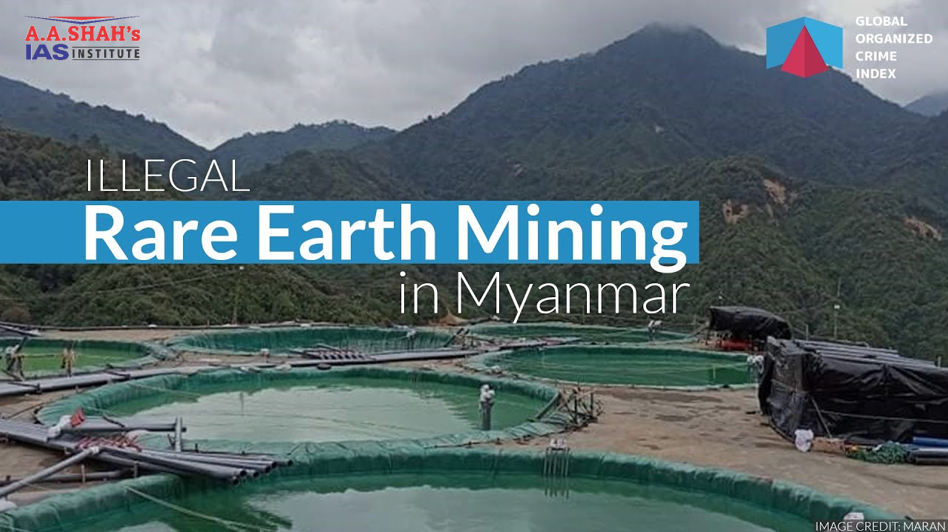
- Rising demand for rare earth materials is driving an unregulated mining boom centred in war-torn Myanmar, to the west, that is spreading to Laos, in the east.
- But experts warn that the toxic runoff from the mines could pose an existential threat.
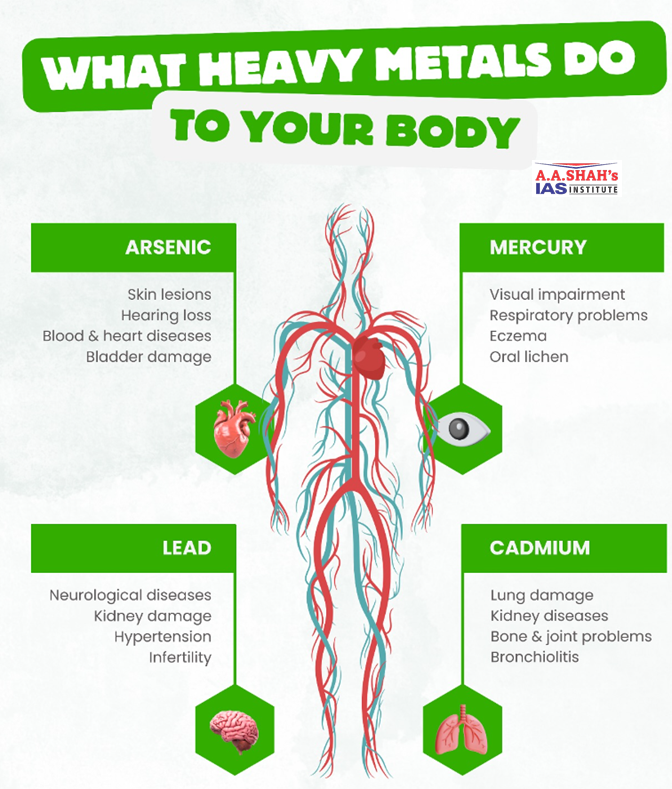
- Exposure to heavy metals such as arsenic, mercury, lead and cadmium raises risks of cancer, organ failure and developmental harm, especially for children and pregnant women.
- Arsenic can cause organ failure. Mercury damages the nervous system. Lead impairs cognition and cadmium harms the kidneys.