Wheat buyers brace for supply crunch amid Black Sea attacks
INTERNATIONAL – EUROPE
21 AUGUST 2026
Black Sea Disruptions Tighten Wheat Supplies
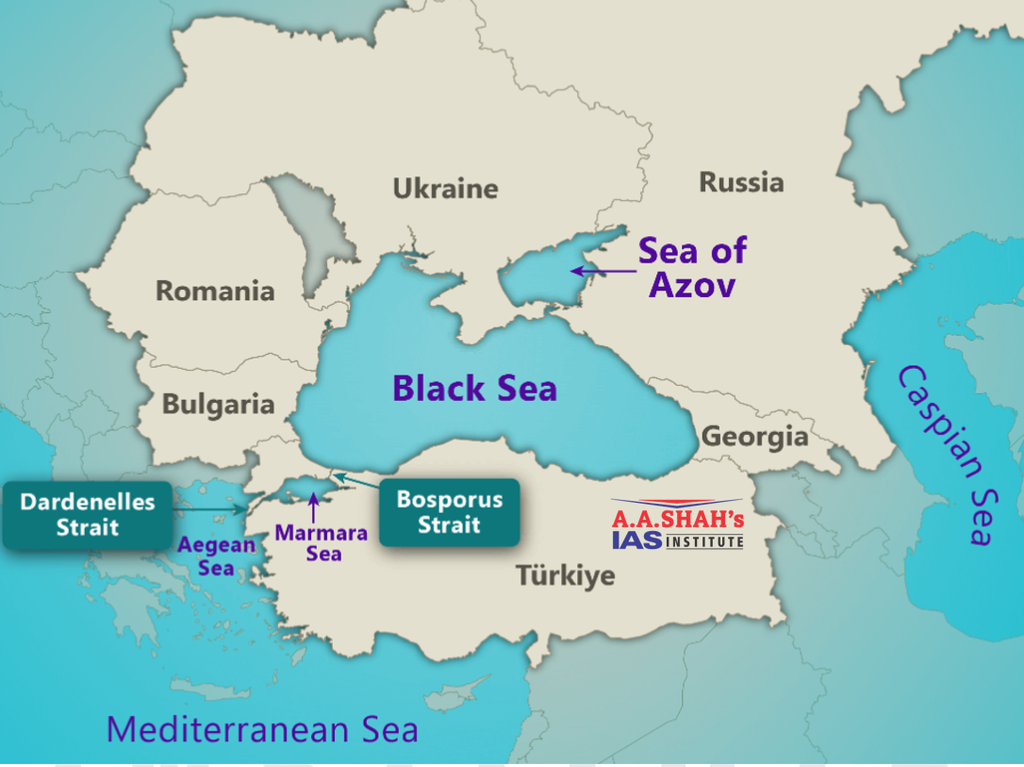
- Attacks on Black Sea grain infrastructure have disrupted wheat shipments and raised concerns about food security among major importing countries.
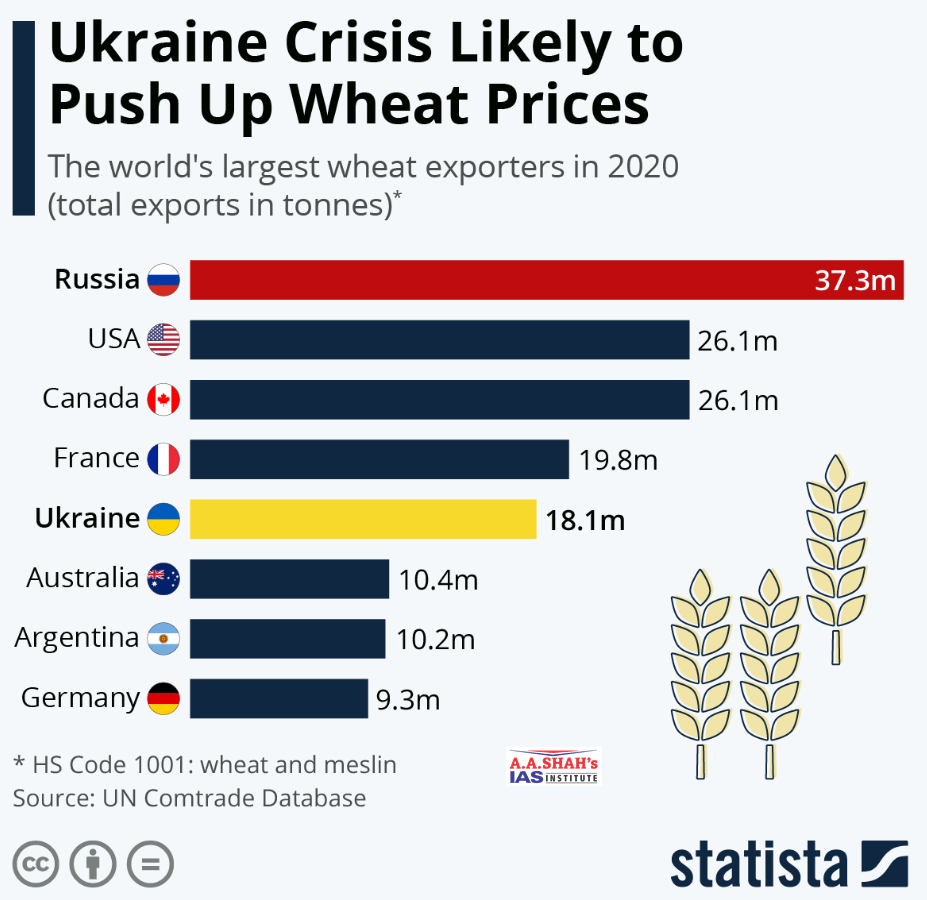
- Russia and Ukraine have carried out tit-for-tat attacks on ports and vessels, disrupting grain terminals during the peak export season.
- Several cargoes have been delayed or cancelled because ships have been unable to safely reach ports for loading.
Wheat Prices Rise Sharply
- Chicago wheat futures have risen by more than 17% since the beginning of July because of concerns over reduced Black Sea supplies.
- Physical wheat prices have also increased in major alternative exporting countries such as Argentina, Australia and the United States.
- The disruption is therefore affecting not only Black Sea wheat but also the prices of wheat from competing exporters.
Harvests Provide Some Relief
- Stronger wheat harvests in parts of the Middle East and North Africa have temporarily reduced the impact of the Black Sea disruptions.
- Better rainfall has also improved crop prospects in Morocco and Tunisia.
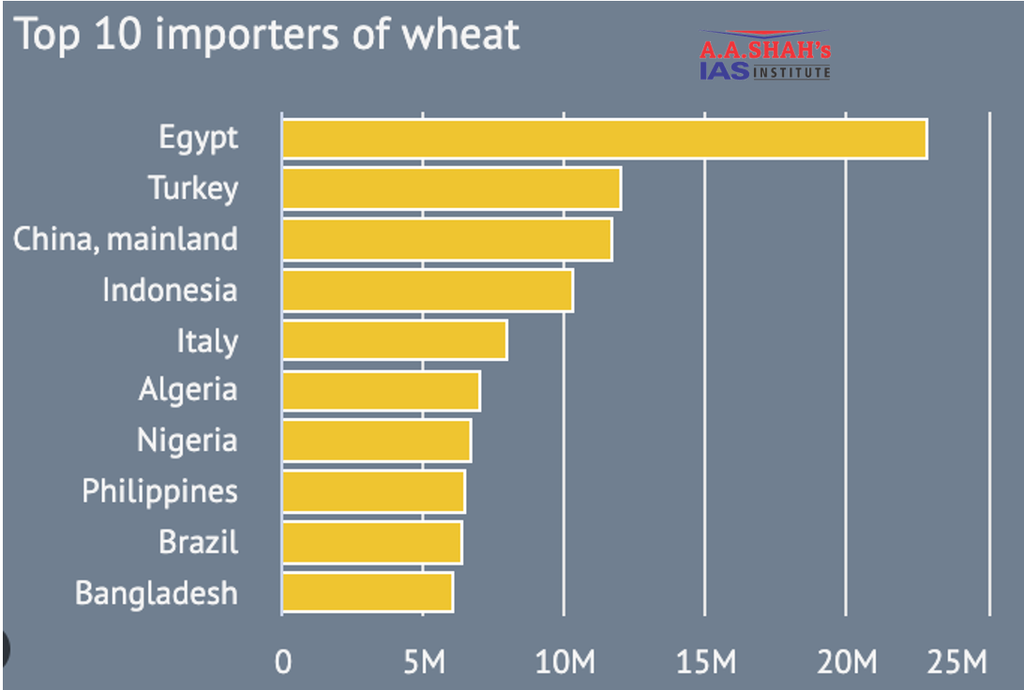
Egypt and Indonesia : world’s largest wheat buyers
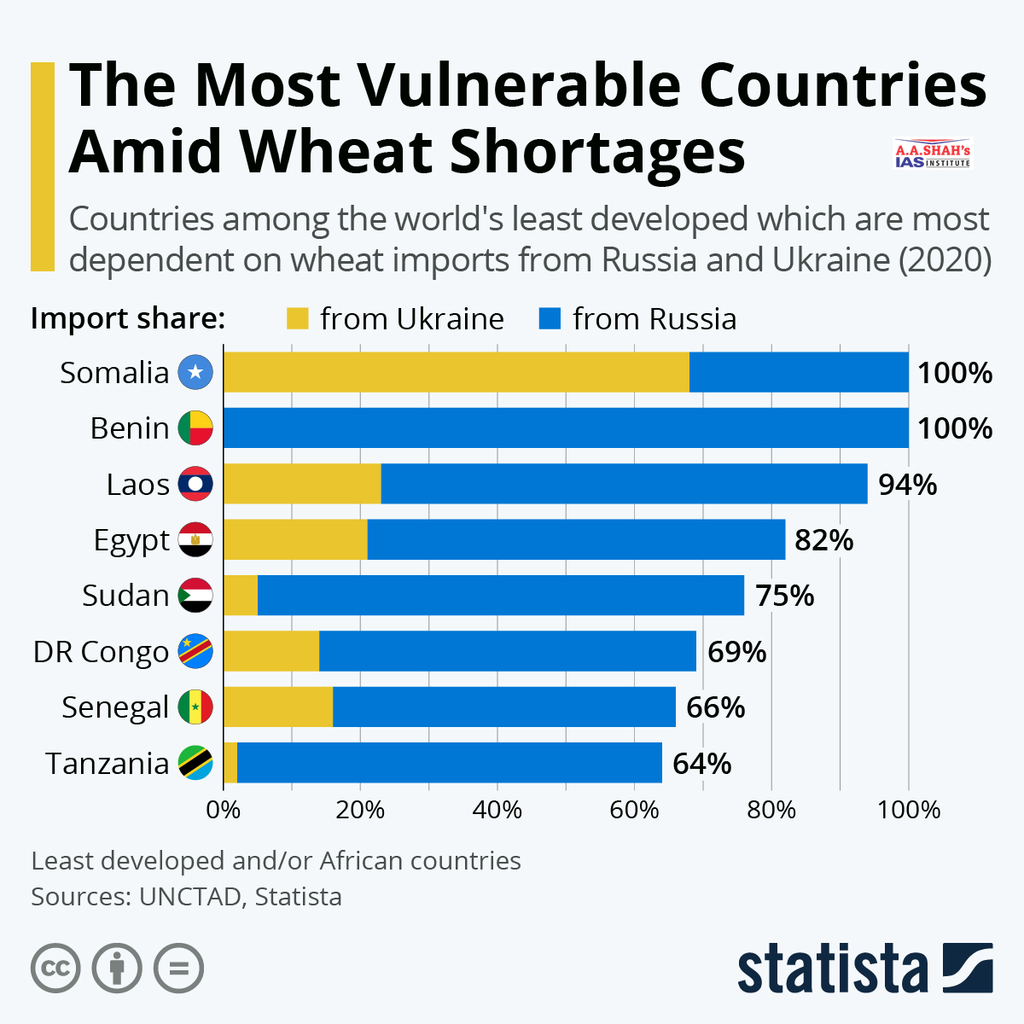
- Egypt is the world’s largest wheat importer and obtained more than 82% of its wheat imports from Russia and Ukraine during the first half of 2026.
- Egypt has purchased record quantities of locally produced wheat, reducing some of its immediate dependence on imports.
- Indonesia, the world’s second-largest wheat buyer, had contracted around 600,000 tonnes from former Soviet grain exporters for July–September shipments.
- Indonesian flour millers currently have enough stocks to meet immediate food-grade wheat requirements.
- However, they do not have large surplus stocks and may have to purchase wheat from Bulgaria, Australia, Romania and Argentina if Russian and Ukrainian shipments are disrupted.
- Countries such as Algeria, Bangladesh, Jordan, Thailand, Tunisia and Vietnam also depend significantly on wheat supplies from Russia and Ukraine.
- These countries may face higher prices and difficulties in securing sufficient supplies if Black Sea exports remain disrupted.
- Importers are therefore being forced to diversify their sources of wheat.
Risk of a Global Wheat Shortage
- Traders are warning that the situation could become more serious if alternative supplies cannot be arranged quickly.
- If Black Sea shipments remain disrupted, importers may have to compete for wheat from Australia, Argentina, North America and other exporters.
- This could further increase global wheat prices and transportation costs.
- Prolonged disruption could ultimately create food-security problems for countries that depend heavily on imported wheat.